The platform
What changed, what it affects and what is due, in one place.
Pick the markets you trade or operate in and register the assets you run. Every change is matched to both, with its impact, an action-by date and a cited source. Built for traders and power marketers, developers, asset operators, large loads and compliance teams.
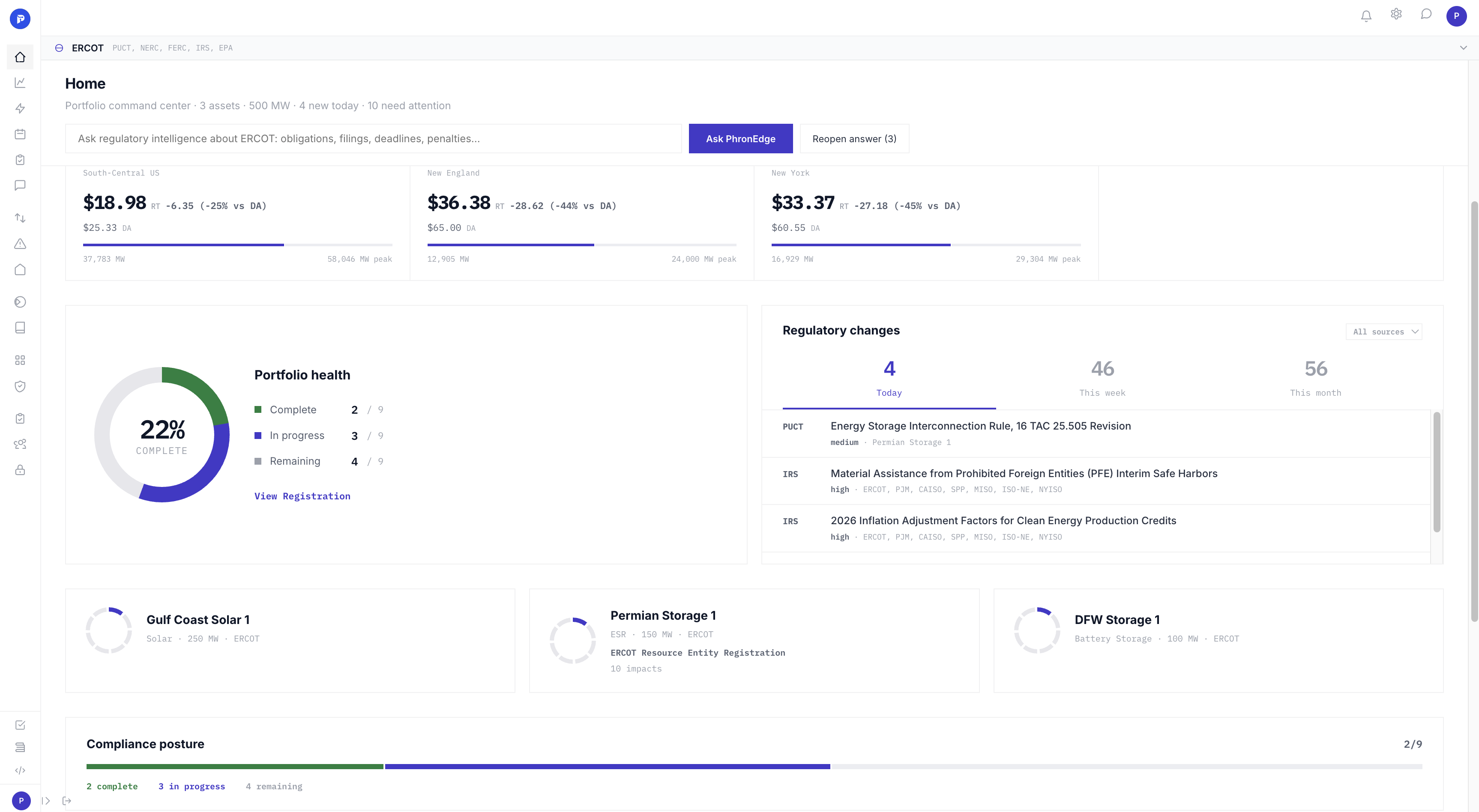
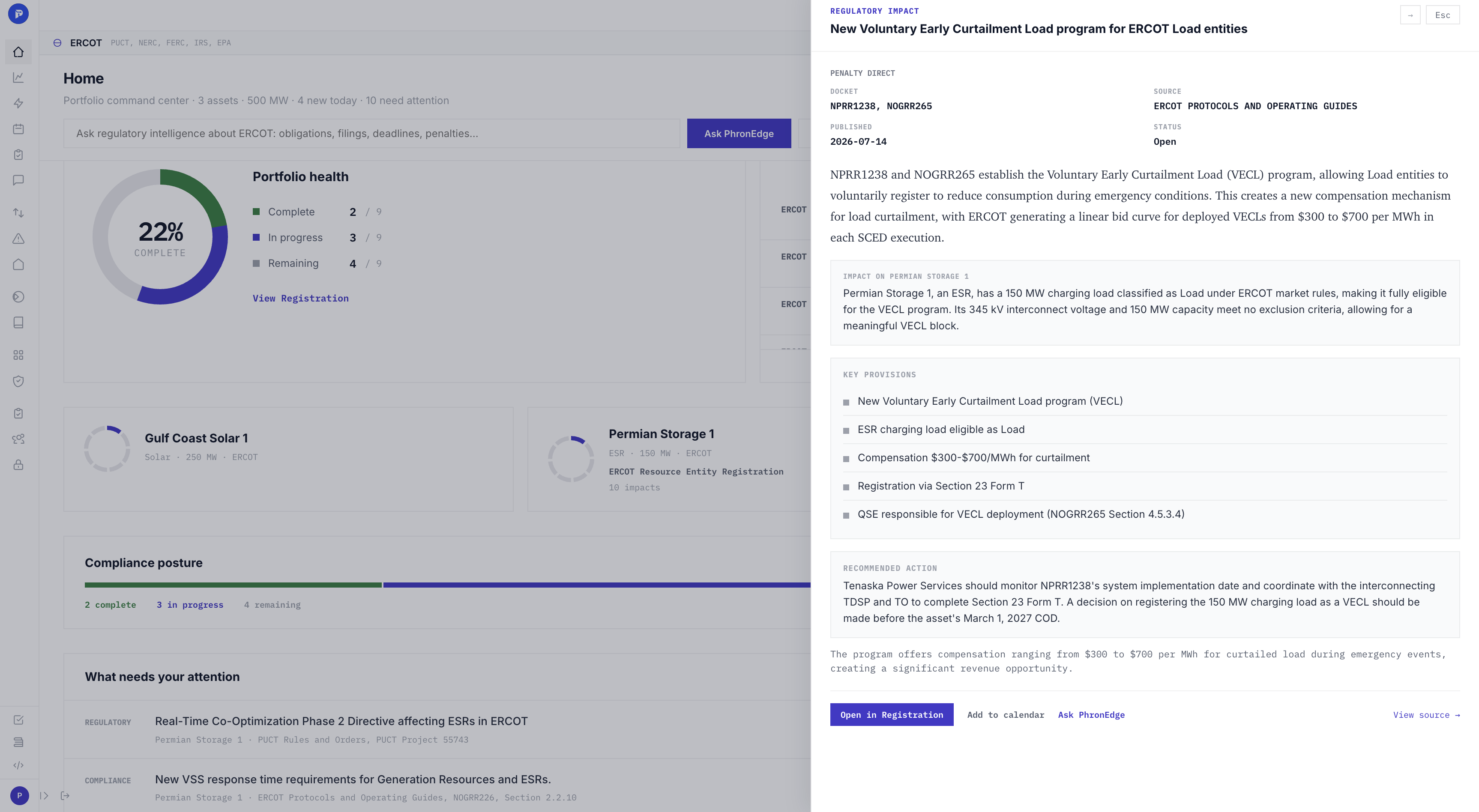
Prices for your market, portfolio health and each asset's next step, beside what needs your attention today.
US grid demand
Where demand is closest to peak right now
Live load against peak in the US ISOs running closest to peak. All 7 are on the live grid page.
What it does
From a rule change to a filed obligation, cited at every step.
Regulatory impact triage
Know which changes affect your markets and assets.
The affected markets and assets, the impact, an action-by date and an owner.
A change lands and is matched to your markets and registered assets. Attention shows the impact and the action-by date. Assign it and close it.
See AttentionCited regulatory intelligence
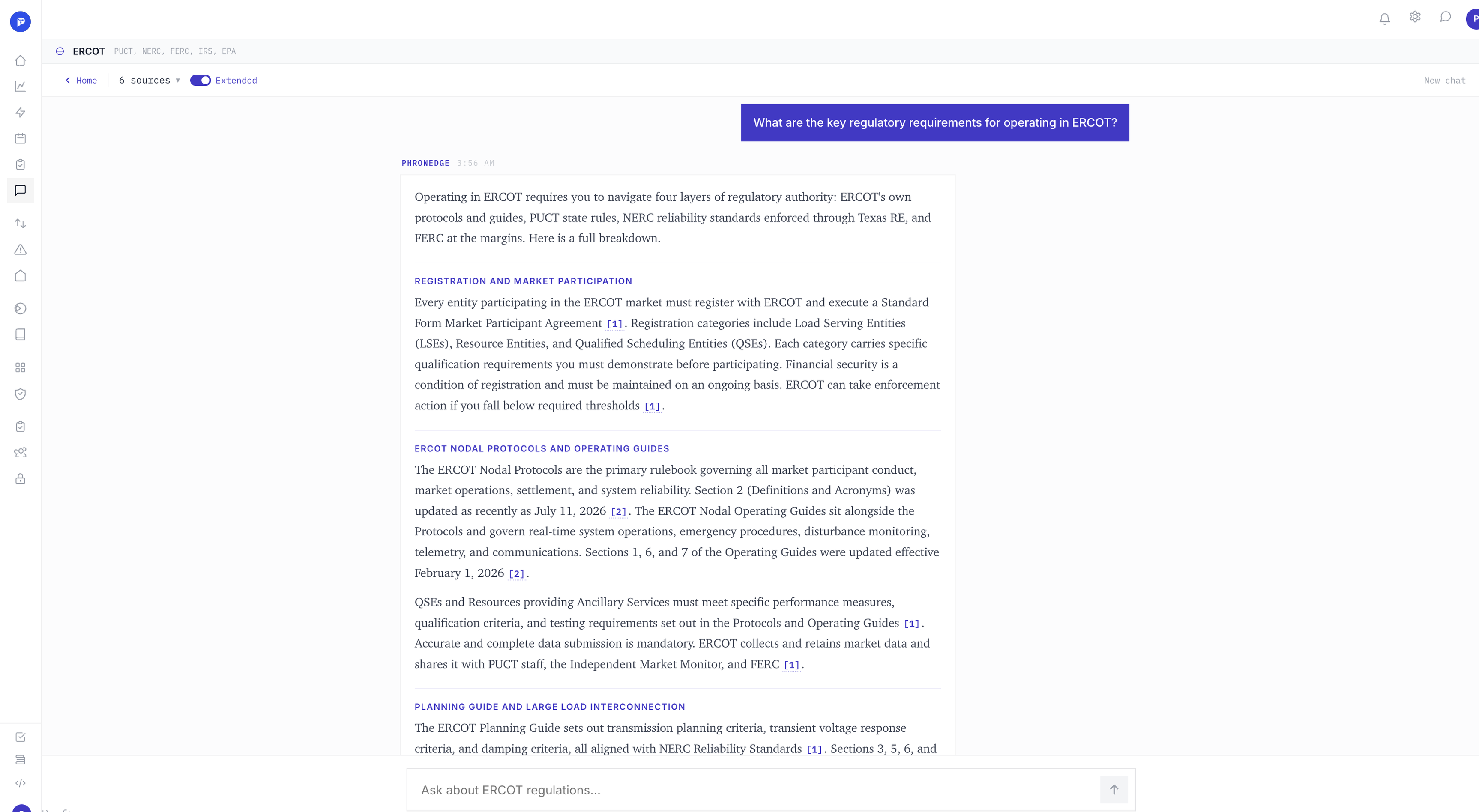
Ask any question. Get cited answers.
Plain-language answers with numbered citations that open the source.
Ask in plain language. Relay answers with numbered citations to ERCOT Protocols, PUCT rules, NERC CIP and FERC orders, each one linked.
See RelayObligation mapping
Register assets. Get obligations mapped.
Obligations from NERC, FERC, your ISO, your state PUC, EPA and IRS, per asset.
Register a battery, solar, wind or gas plant, or a large load. The NERC, FERC, ISO, state, EPA and IRS standards that apply are mapped and cited.
See RegistrationCalendar and regulatory feed
Every deadline and every change in one view.
One calendar of deadlines and milestones, with a feed for your own calendar app.
Comment deadlines, ISO meetings, effective dates and milestones in one calendar, beside the change feed for the markets you follow.
See AttentionCross-framework crosswalk
Compare obligations across any two frameworks.
Gaps and overlaps side by side, exportable as PDF or CSV.
Pick 2 rulebooks, such as ERCOT Nodal Protocols and ISO-NE Market Rules. Gaps and overlaps line up side by side, each with its quoted text.
See CrosswalkIncident response mapping
Map incidents to obligations and response requirements.
Every reporting duty, its deadline, who to notify and what to file.
Report a SCADA compromise or a protection failure. Get each obligation, its deadline, who to notify and what to file.
See IncidentsVendor risk assessment
Evaluate any vendor against NERC CIP‑013.
A risk score, the gaps and remediation actions, exportable as PDF.
Profile the vendor, then assess its documents or security page against CIP-013. Get a risk score, the gaps and the actions to close them.
See VendorsReports
Entity, incident, crosswalk, and vendor reports.
Board-ready PDFs with your logo, every finding cited.
Entity, incident, crosswalk and vendor reports for board review, with your logo, exportable as PDF. Every finding cited.
How it works
PhronEdge watches the regulators, maps each change and tells you.
- 1
It watches
All 7 US ISOs, FERC, NERC, EPA, IRS and the utility commission in every state and the District of Columbia, every day.
- 2
It maps
Each change is matched to your markets and registered assets, with its impact and an action-by date, cited to the source.
- 3
It tells you
What changed and what to do by when, in Attention, on your calendar and in your inbox.
Who it's for
Pick your role to see the rules that change for you.
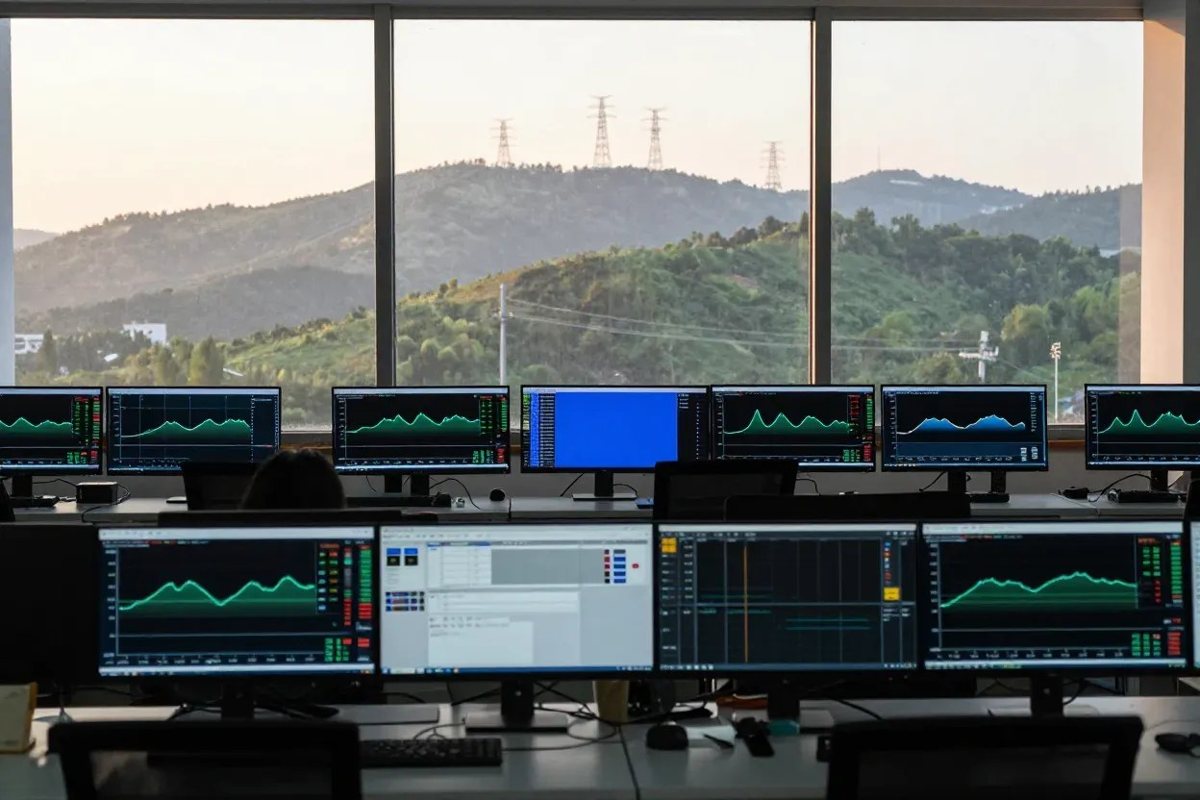
Traders and power marketers
Market rule changes that move how you bid, schedule and settle.
- ERCOT NPRRs, PJM Manual updates and tariff amendments, filtered to the markets you trade
- Real-time and day-ahead prices beside the rules in the Market tab
- Cited answers to market rule questions, with no assets to register
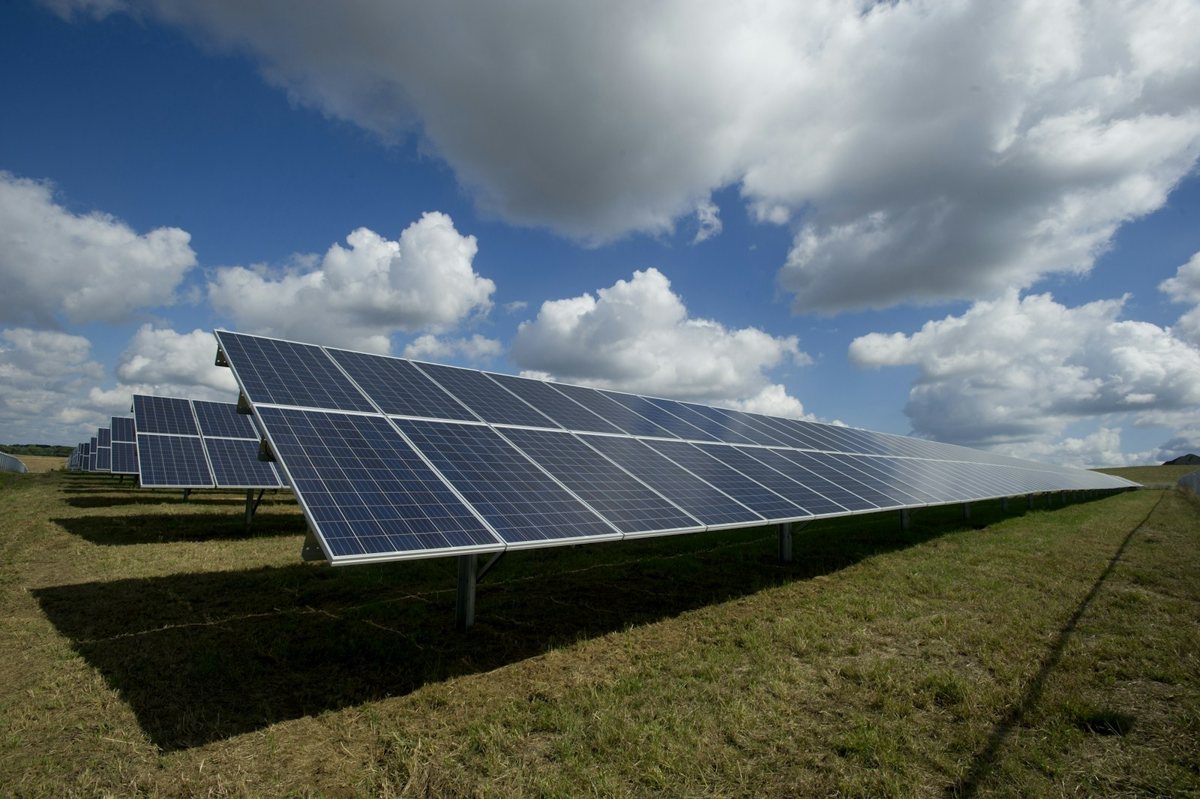
Developers and IPPs
Interconnection and tax credit rules that set your project timeline.
- Each project's ISO registration, milestone by milestone, to commercial operation
- FERC Order 2023 and IRS 45Y and 48E changes matched to the projects they touch
- Every milestone date on your team's calendar
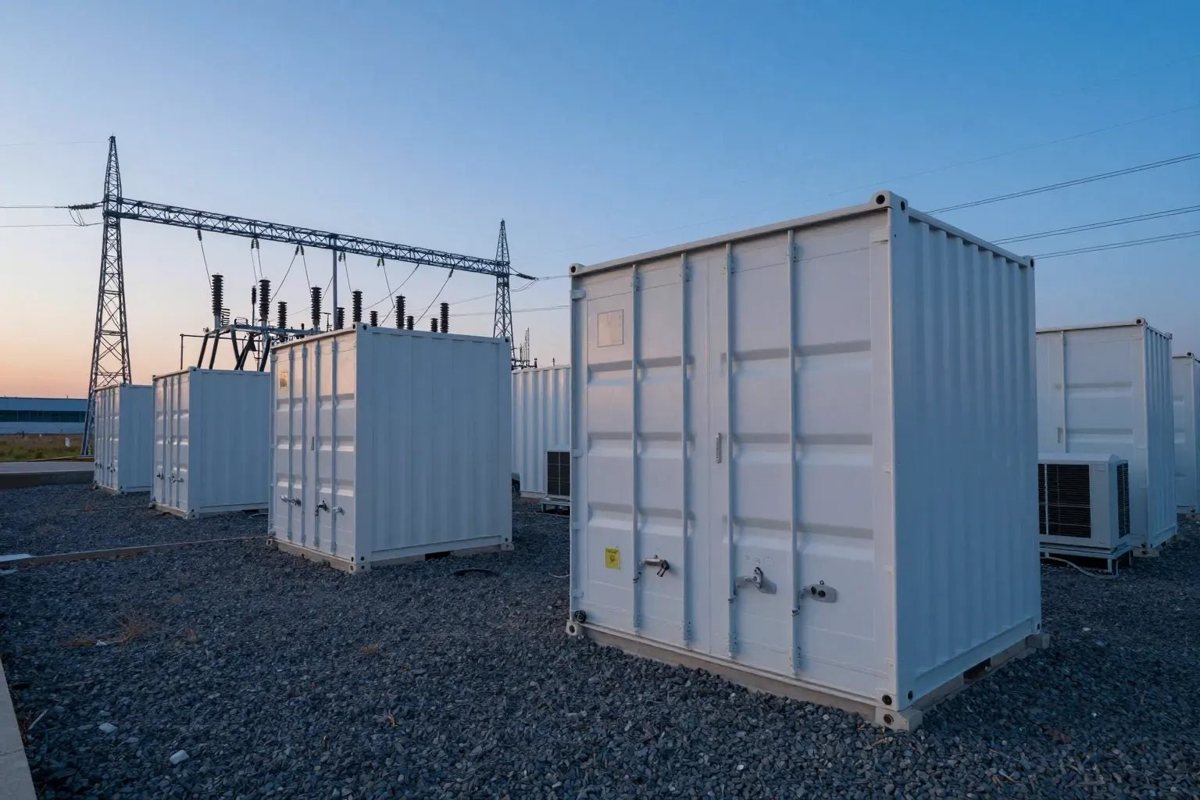
Operators of registered assets
The standards each registered asset must meet, and what changed this week.
- NERC, ISO and state rules mapped to each battery, solar, wind or gas asset
- Changes matched to the asset, with an action-by date and an owner
- Category 2 IBR registration laid out step by step
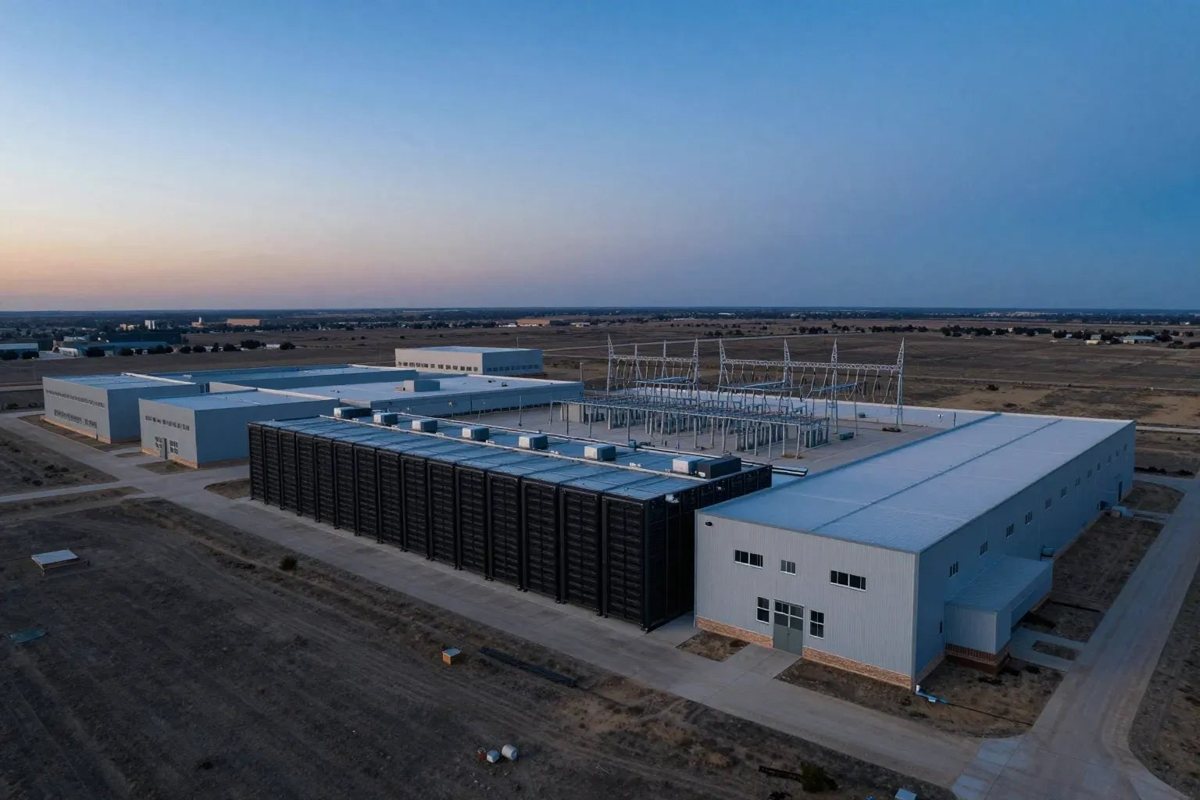
Large loads and data centers
The large load rules that set your interconnection path.
- ERCOT loads of 75 MW and up: the study, Batch Zero and co-location steps
- SPP High Impact Large Load and NYISO load interconnection, plus the Transmission Owner path in PJM, MISO, CAISO and ISO-NE
- Large load rule changes matched to your site, with dates on your calendar

Compliance and security teams
CIP, supply chain and incident reporting duties, each one cited.
- NERC CIP-002 to CIP-015 mapped to each asset
- Vendors assessed against CIP-013, with findings and owners
- Incidents mapped to deadlines and who to notify, and reports for the board
NERC Category 2
Just registered with NERC? The clock already started.
NERC now registers Category 2 inverter-based resources (IBRs): solar, wind, and battery plants of 20 MVA or more connected at 60 kV or above. Many of their owners face mandatory reliability compliance for the first time, with no compliance history to lean on. PhronEdge lays out each registration milestone by milestone and maps the standards that apply to each asset.